
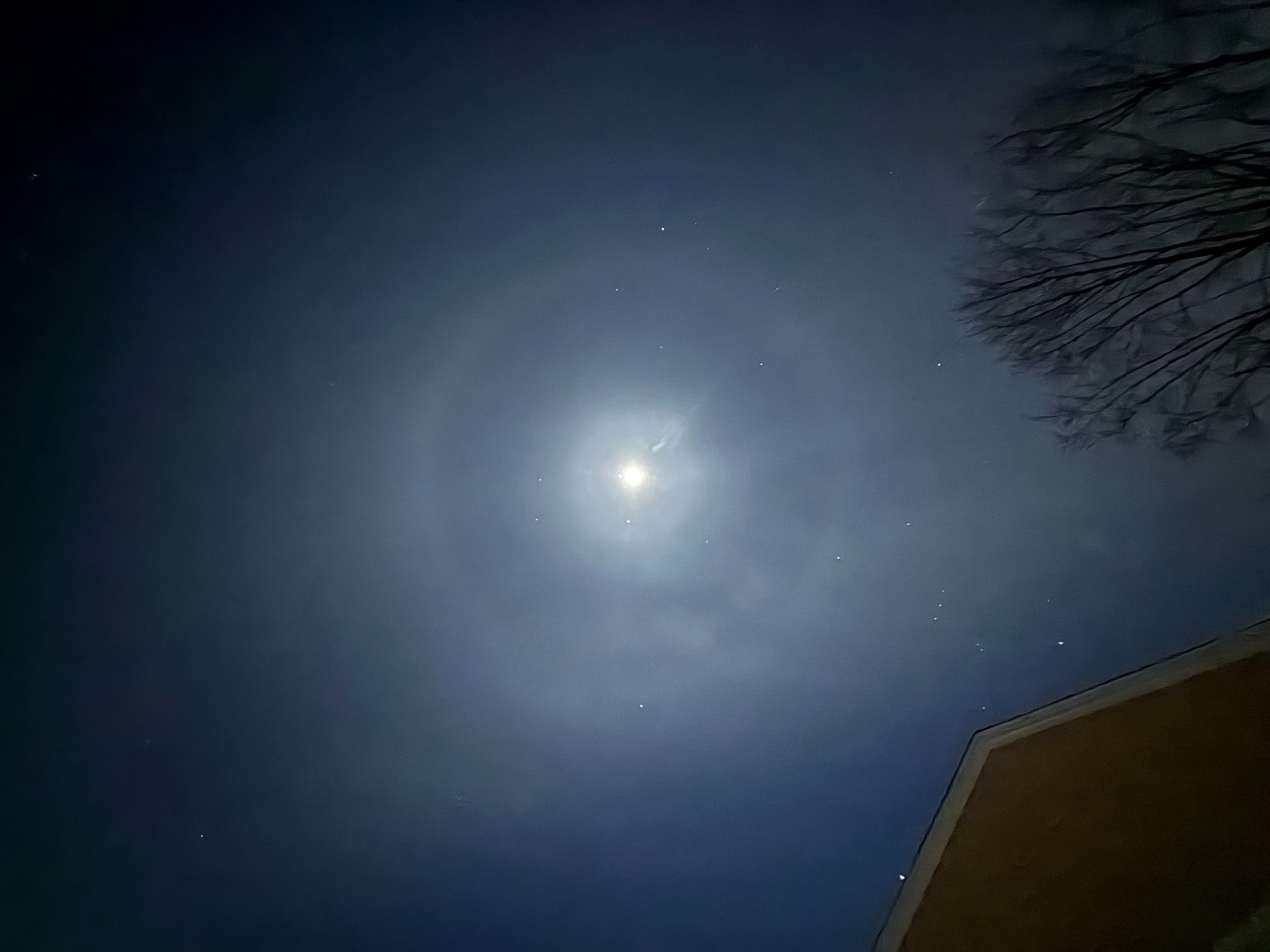
1. What do you think makes astronomy so worthwhile?
Space is so incredibly vast and takes so much time for the light from those sources to reach us, it’s the closest we can get to touching infinity. Observing and capturing celestial objects gives me a sense of peace, freedom, and relief. The experience of astronomy is life changing. For me, it is a form of salvation. There’s almost infinite knowledge to be gained from this.
2. How would you like to see the field of astronomical research develop?
I would love to see more affordable and wide-spread production of astronomy materials like telescopes, eye pieces, filters etc. We are seeing new inventions, and there are some slight motions in that direction like the Apertura Panorama eyepieces, offering top-quality and views for half the price, the Seestar smart telescope line which enables deep-sky astrophotography to anyone, or even the brand-new Pegasus Astro SmartEye that allows for incomparably detailed views through augmented-reality astronomy.
3. If you could imagine a dream scenario for your astronomy goals, what would it be?
Permanent immobile observatory with far more power in a location with zero light pollution (maybe Canadian wilderness or Nevada/Arizona/Utah).
4. How do you think you can inspire the next generations of thinkers?
Perhaps a little how astronomy inspires me. Looking backwards in time up to billions of years ago should show humanity the glory of the heavens, and the vastness brings freedom of the soul.
5. What’s next for you, Francis?
Ad astra per aspera. I’m looking to further develop the Kronos and Kreutz systems to document and study objects from both hemispheres of Earth, as well as all nine planets of the solar system (yes, Pluto counts) and the assorted dwarf planets when orbits permit. Perhaps if Kronos and Kreutz are successful, I will look into a stationary but more powerful system for a permanent observatory.
Snippets of Q&A with Francis Kalenja
March 11, 2026
Contact US
stay updated
info@bearsandfeathers.com
© 2026. All rights reserved.


HELP SUppORT FUTURE LEADERS - reach out to learn how